
People

Laboratory Alumni

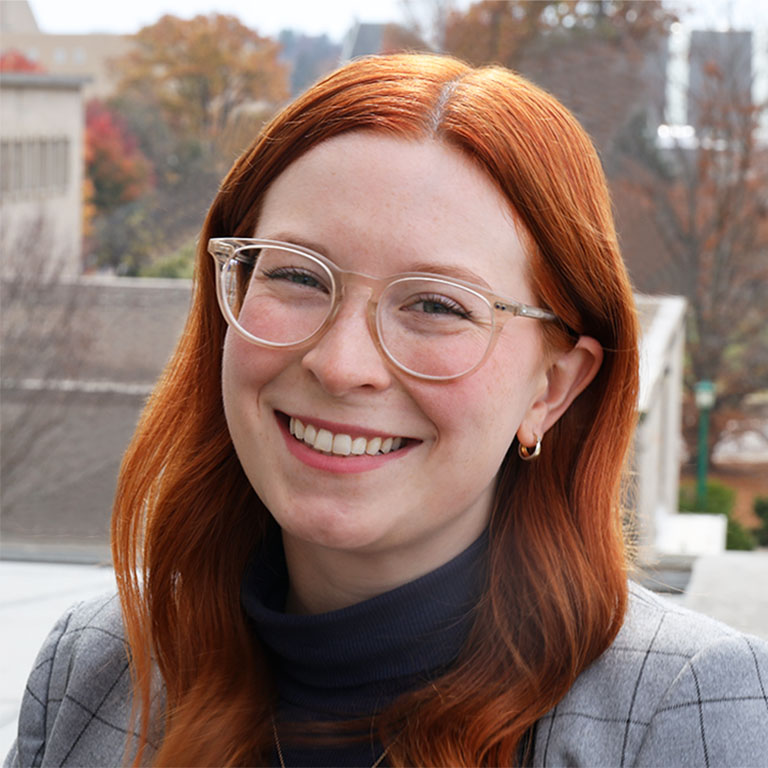
Sydney M. Adams

Graduate Student, Univeristy of Michigan

Email:
sydneyad@umich.edu

I am an IU grad and DPL alum. I’m interested in using approaches from psychiatric epidemiology to examine risk and protective processes that contribute to self-harming behaviors, substance use problems, and related conditions across development. I am particularly interested in research focused on neurodevelopmental conditions, such as ADHD, as well as research that helps to understand and improve health inequities. As an undergraduate, I completed an honors thesis studying racial-ethnic differences in ADHD treatment during adolescence and emerging adulthood. As a post-bacc research assistant in the DPL, I assisted with projects using real-world healthcare data to evaluate the risks and benefits of psychotropic medication use. I am currently pursuing a Ph.D. in Clinical Psychology at the University of Michigan, Ann Arbor.

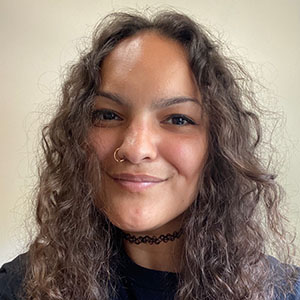
Logan Gillenwater

Doctoral student, Michigan State University

Email:
gillenw6@msu.edu

I graduated with a BS in clinical psychological science in 2023 and am currently a doctoral student in Clinical Sceince at Michigan State University. I am interested in investigating the mechanisms underlying the "biological embedding" of adversity and how these processes create risk for psychopathology in adolescence.

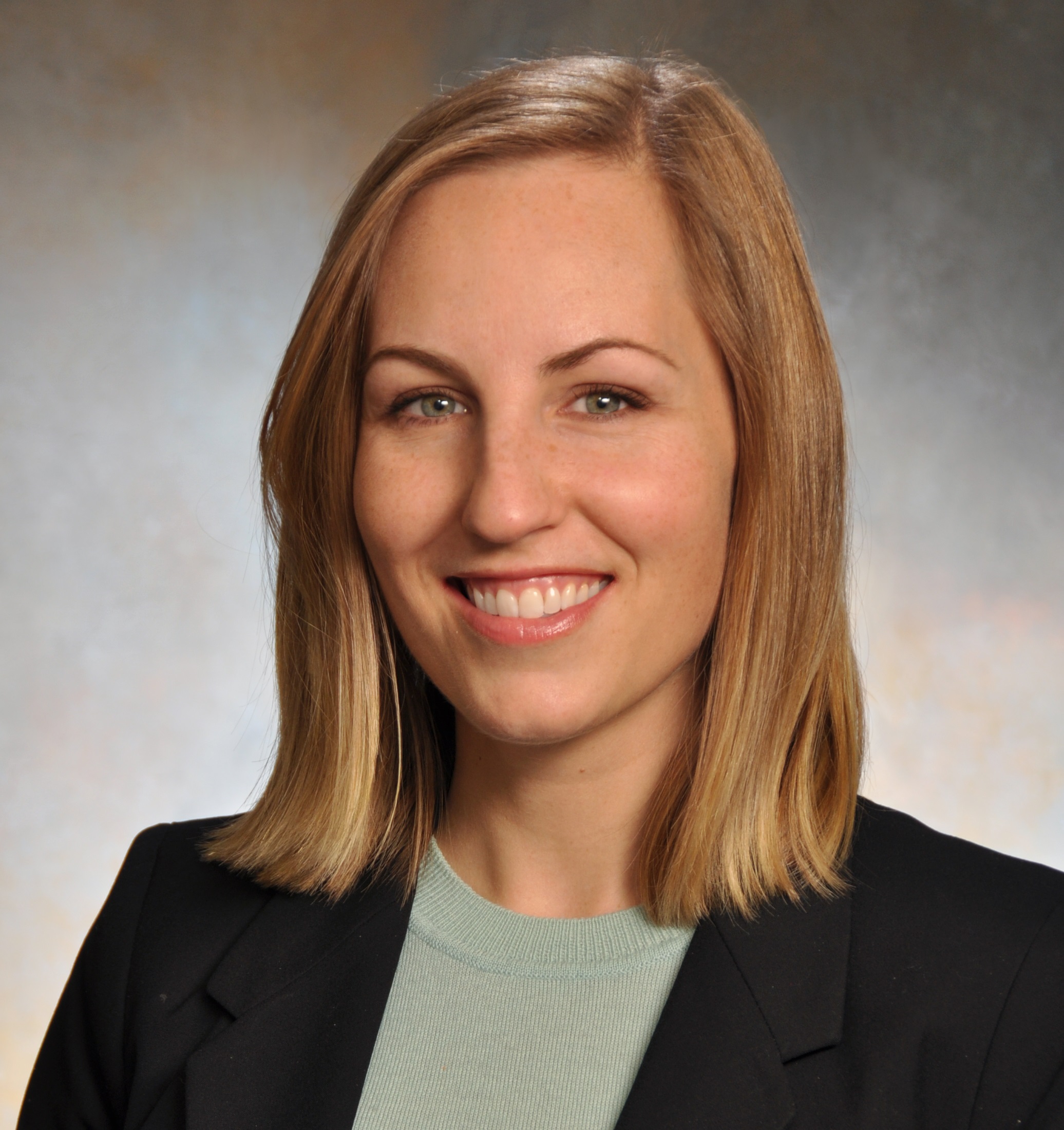
Lauren M. O'Reilly, Ph.D.

Assistant Professor of Psychiatry

Email:
loreilly@iu.edu

I am interested in studying the etiology of suicidal behavior in adolescence through adulthood. To do so, I analyze longitudinal, population-based registers from Sweden and use genetically-informed designs to examine the extent to which genetic and environmental factors are associated with suicidal behaviors. These large databases and designs allow for the examination of causal relations between previously explored risk factors and later suicidal behavior. I am currently working on three main areas of research: 1) the intergenerational transmission of suicidal behavior using a Children of Siblings and Twins design, 2) the association between a variety of psychosocial risk factors (e.g., aggression and bullying) and suicidal behavior in an adolescent twin sample, and 3) short-term risk factors for suicidal behavior post-contact with outpatient specialists. I am also interested in how macro-level policy changes interact with suicidal behavior, including the Affordable Care Act young adult mandate and parity legislation.

Kelsey Wiggs, Ph.D.

Assistant Professor of Clinical Psychiatry, Assistant Professor of Psychiatry

Email:
kkwiggs@iu.edu

I am broadly interested in the etiology and treatment of neurodevelopmental problems (e.g. symptoms of attention-deficit hyperactivity disorder, seizures, and autism spectrum disorders) across multiple levels of analysis and time scales. In the Developmental Psychopathology lab at IU, I work with Dr. Brian D’Onofrio on two main areas of research using quasi-experimental designs and large longitudinal data sets. The first examines the extent to which perinatal risk factors impact neurodevelopmental problems. The second assesses the safety of medications independent of stable genetic and environmental factors within an individual. Current projects examine 1) the association between prenatal exposure to antiepileptic drugs and offspring birth defects, ADHD, and ASD, 2) the association between ADHD medication use and psychosis, and 3) the association between antidepressant use and seizures.

Ayesha C. Sujan, Ph.D.

Postdoctoral Scholar, Stanford University School of Medicine

Email:
ayesha.c.sujan@kp.org
Website:
https://divisionofresearch.kaiserpermanente.org/researchers/sujan-ayesha/

Ayesha Sujan, PhD, is a postdoctoral research fellow in the Kaiser Permanente Division of Research specializing in maternal mental health and substance use. She completed her doctoral training in the Department of Psychological and Brian Sciences at Indiana University – Bloomington and her clinical internship at the Medical University of South Carolina. Though her doctoral training focused on clinical psychology, her training spanned multiple disciplines, including developmental psychology, epidemiology, and pharmacology. She also received her master's degree in Human Development from Cornell University and did her undergraduate studies at Tulane University where she double majored in psychology and studio art. Broadly speaking, she conducts translational research focused on preventing early exposure to risk factors from having adverse consequences on child development. Her research initially focused on early-life adversities, particularly abuse and neglect, and then expanded to include the prenatal period. Though she studies the consequences of a number of pregnancy-related risk factors, including early and advancing maternal age at childbearing and short and long interpregnancy interval, her work mainly focuses on in-utero exposure to psychoactive substances (e.g., antidepressants, opioids, and cannabis) and risk for adverse birth outcomes (e.g., preterm birth) and neurodevelopmental problems (e.g., autism spectrum disorder and attention-deficit/hyperactivity disorder).

Erikka B. Vaughan, Ph.D.

Planning Support Manager, New York Institue of Technology

Email:
evaughan@nyit.edu

I am broadly interested in the etiology of depression in children and adolescents. While research has highlighted an array of risk factors for depression, I am interested in learning more about the specific mechanisms by which these risk factors result in depression in some adolescents and not in others. As there is empirical evidence for an association between pubertal timing and outcomes of depression in adolescence, I am currently working on a project examining predictors of variations in age of menarche in girls. In examining these factors, I am utilizing a longitudinal design with a large, nationally representative sample.

Quetzal A. Class, Ph.D.

Research Associate Professor, Director Residency Research

Email:
qaclass@uic.edu

I am an Assistant Professor at University of IL, Chicago School of Medicine. I investigate the long-term ramifications of insults that occur immediately before and during pregnancy on the mother and baby. I am currently investigating the impact of inpatient psychiatric admission during pregnancy on birth and obstetric outcomes. I am also working to investigate cannabis exposure in utero. I serve as the Director of Resident Research and love supporting OBGYN residents through all steps of the research process.

Claire A. Coyne, Ph.D.

Associate Professor of Psychiatry and Behavioral Sciences, Northwestern University

Email:
ccoyne@luriechildrens.org

My primary research interest is the etiology of childhood and adolescent antisocial behavior and the pronounced sex difference in antisocial behavior that persists from childhood into adulthood. I am interested in the genetic and environmental influences on sex differences in the development of antisocial behavior, as well as exploring sex differences in sensitivity and exposure to risk factors, and the role of sex-specific risk factors for antisocial behavior. I am also interested in the possible causal relationships between teenage childbearing and offspring antisocial behaviors. My research uses genetically informative and longitudinal approaches to study the causal associations between various putative risk factors and antisocial behavior.

Kelly L. Donahue, Ph.D.

Assistant Professor of Clinical Pediatrics and Clinical Psychiatry

Email:
kldonahu@iu.edu

I am an Assistant Professor of Pediatrics at the Indiana University School of Medicine and a licensed clinical psychologist. I currently serve as the Director of Riley Hospital for Children's Gender Health Program, which is a clinical care program that includes providers in the fields of adolescent medicine, endocrinology, nursing, psychology, social work, and nutrition. I also provide direct patient care in the form of psychological evaluation and support services to gender-diverse children, adolescents, young adults, and their families. Although my position is primarily clinical, I am also actively involved in multidisciplinary research efforts (primarily focused on the well-being and healthcare experiences of gender-diverse youth and families) and in education and training activities, such as clinical supervision of psychology trainees, clinical precepting of medical fellows, and teaching learners across healthcare professions about LGBTQ+ inclusive healthcare practices and gender-affirming care for young people.

Become part of our lab!

learn how to apply